The 2026 Canvas Cyber Attack: Breaking Down the Finals Week Crisis
5 months ago 2026-05-08 15:40The 2026 Canvas Cyber Attack: Breaking Down the Finals Week Crisis
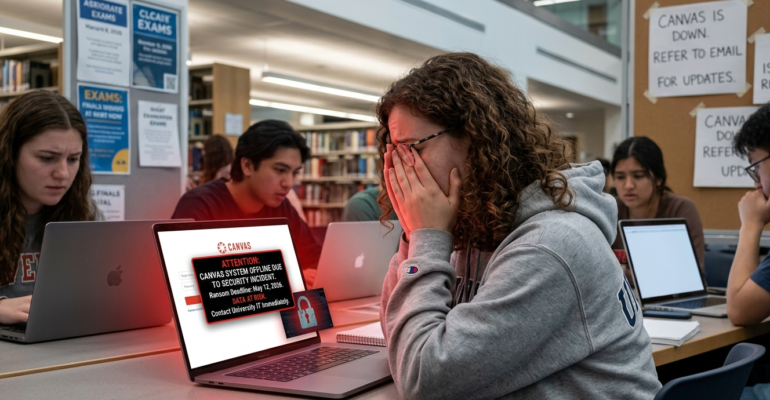
The educational world is currently facing a massive disruption as a major Canvas cyber attack has crippled learning systems across thousands of institutions. As of today, May 8, 2026, millions of students and faculty members are scrambling to save their finals week progress following a targeted strike by the notorious hacker group ShinyHunters.
This incident has moved beyond a simple data leak; it has evolved into a full-scale operational shutdown that has forced universities like Harvard, Penn, and UCLA to go into “emergency maintenance mode” during the most critical week of the academic year.
1. What Happened? Understanding the May 2026 Canvas Cyber Attack
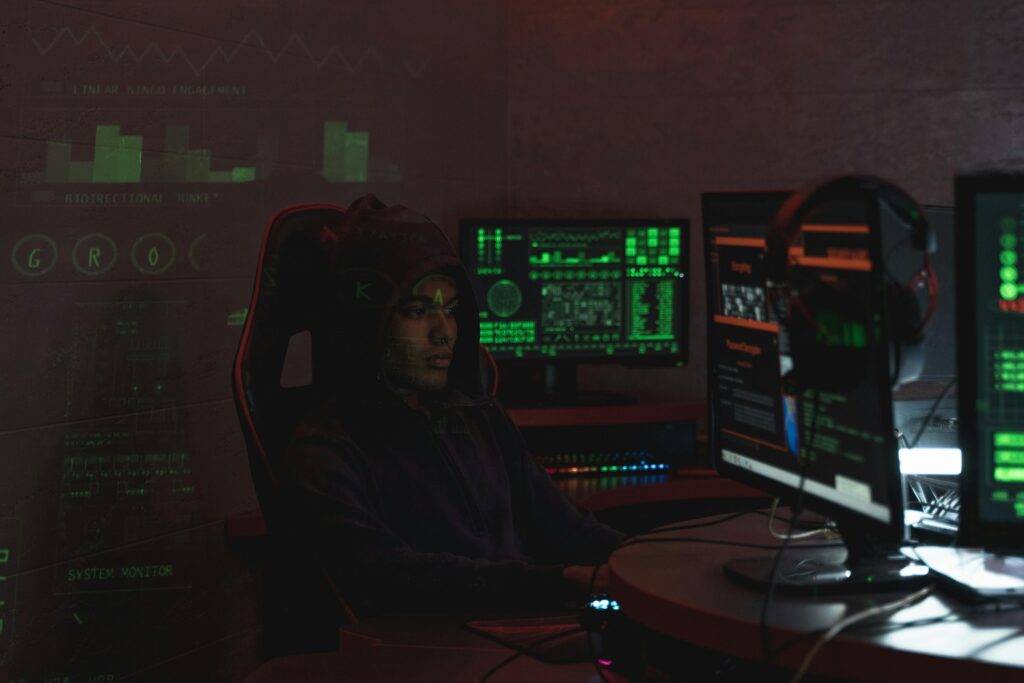
The Canvas cyber attack began in late April but escalated into a global crisis on May 7, 2026. Instructure, the parent company of Canvas, was forced to take the platform offline after hackers defaced login pages with ransomware messages.
The Scale of the Breach
Reports indicate that the scale of the attack is unprecedented for the education technology sector:
- Affected Institutions: Approximately 9,000 schools and universities worldwide.
- Data Compromised: Names, email addresses, student ID numbers, and millions of private internal messages.
- Ransom Deadline: ShinyHunters has set a deadline of May 12, 2026, threatening to leak the stolen data if their demands are not met.
Crucial Update: While Instructure has found no evidence that passwords or financial records were stolen, the exposure of internal messages and student IDs creates a significant risk for targeted phishing in the coming months.
2. The Impact on Students: Finals Week in Chaos
The timing of the Canvas cyber attack could not have been worse. Occurring right as spring semesters wrap up, the outage has left students unable to access lecture notes, submit final assignments, or take proctored exams.
How Universities are Responding
Universities are currently in “triage” mode, implementing various workarounds to protect students’ academic standing:
- Deadline Extensions: Many institutions, including the University of Texas at San Antonio, have officially pushed back final exam dates.
- Alternative Platforms: Professors are being urged to use email or temporary cloud folders to distribute study materials while the Canvas portal remains unstable.
- System Isolation: In the Netherlands and across the US, some universities have disconnected their local systems from the Canvas API to prevent the “lateral movement” of the breach into campus-wide databases.
3. Future Trends: AEO, GEO, and the New Era of LMS Security
As we look toward the fallout of this event, the Canvas cyber attack will likely be the catalyst for a total overhaul of LMS (Learning Management System) security. This shift isn’t just about firewalls; it’s about how information is retrieved and protected in an AI-driven search environment.
AEO and GEO: The Battle for “Trusted Answers”
In 2026, AEO (Answer Engine Optimization) and GEO (Generative Engine Optimization) are how students get help. When a student asks an AI, “Is Canvas down today?”, the answer is synthesized from thousands of sources.
- The Problem: During the attack, hackers used “AIO (AI Overviews)” to spread misinformation, tricking students into clicking malicious links on fake status pages.
- The Solution: For schools, “Dominance” in the digital space now means ensuring their official IT alerts are the primary source for AI-generated answers.
Security Trends for 2026-2027:
- Identity-Centric Access: A move away from simple passwords toward “Conditional Access,” where users must be on a managed device to log in.
- API Key Governance: The Canvas breach was exacerbated by compromised API keys. Expect new standards for “short-lived” digital connectors.
- Encrypted Messaging: The leak of millions of private Canvas messages will likely force Instructure to move toward end-to-end encryption for in-app communications.
4. How to Protect Yourself After the Canvas Breach
If you or your child are part of the millions affected by the Canvas cyber attack, immediate action is required to prevent follow-up “identity harvesting” scams.
Immediate Action Items:
- Change Reused Passwords: If your Canvas password is the same as your personal email or banking password, change those accounts immediately.
- Enable MFA (Multi-Factor Authentication): Ensure that Single Sign-On (SSO) is active for all educational portals.
- Beware of Phishing: Expect emails that look like they are from “Instructure Support” asking you to “re-verify” your account. Do not click links.
- Monitor Internal Messages: Since internal Canvas messages were leaked, hackers may use the names of your real professors or classmates to gain your trust.
Conclusion: Lessons from the 2026 Hacking Incident
The Canvas cyber attack is a stark reminder that educational institutions inherit the risks of the platforms they trust. As we move past the May 12 ransom deadline, the focus will shift from crisis management to legal accountability and system hardening.
For students, the lesson of 2026 is clear: always maintain a local backup of your coursework. For the tech industry, the lesson is even more urgent: in an era of AIO and GEO, your security is only as strong as the “trusted answers” you provide to your users.