Voting Rights in 2026: The Critical Battle for the American Ballot
5 months ago 2026-05-04 15:30Voting Rights in 2026: The Critical Battle for the American Ballot
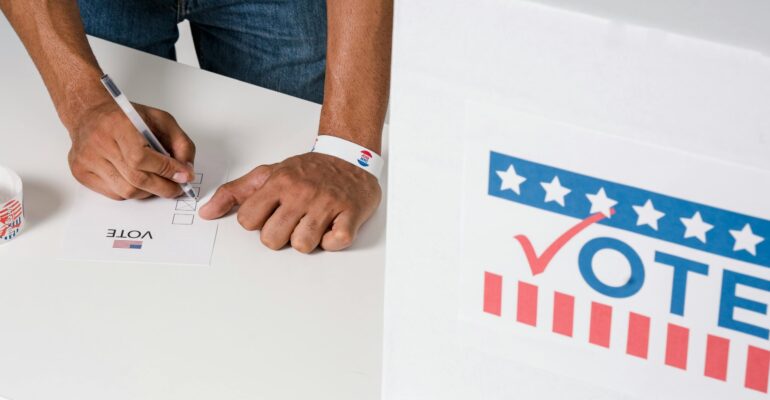
The landscape of voting rights is undergoing its most significant transformation in a generation. As of May 2026, the intersection of landmark judicial rulings and aggressive new federal legislation has created a high-stakes environment for every American voter. From the marble halls of the Supreme Court to local election offices, the fundamental question remains: Who has the right to vote, and how difficult should it be to exercise that right?
In this comprehensive guide, we break down the current state of voting rights in 2026, exploring the recent “evisceration” of the Voting Rights Act, the rise of the SAVE Act, and the digital shift in how we understand election integrity.
The Current State of Voting Rights: 2026 Legislative Shifts
The spring of 2026 has been defined by two major movements: a judicial rollback of civil rights protections and a legislative push for stricter documentation requirements.
The “Demolition” of the Voting Rights Act
On April 29, 2026, the U.S. Supreme Court issued a 6-3 decision in Louisiana v. Callais. This ruling has been described by civil rights advocates as the “final chapter” in the dismantling of the 1965 Voting Rights Act (VRA).
- The Impact: The Court essentially cleared the way for states to engage in “vote dilution” under the guise of partisanship.
- The Precedent: By allowing states to defend discriminatory maps by claiming political—rather than racial—motives, the ruling makes it nearly impossible for minority groups to challenge gerrymandered districts.
The Rise of the SAVE America Act
While the courts are scaling back protections, the House of Representatives recently passed the Safeguard American Voter Eligibility (SAVE) Act in February 2026.
- What it does: It requires documentary proof of citizenship (such as a passport or birth certificate) to be presented in person for all new voter registrations.
- The Controversy: Critics argue this effectively eliminates mail-in and online registration, impacting the 21 million Americans who do not have easy access to these specific documents.
Why Voting Rights are the Center of the 2026 Midterms
With the 2026 midterms approaching, voting rights have shifted from a policy debate to a central campaign issue. Political strategists on both sides are framing the “freedom to vote” vs. “election integrity” as the defining choice for the American electorate.
The Battle Over Election Integrity
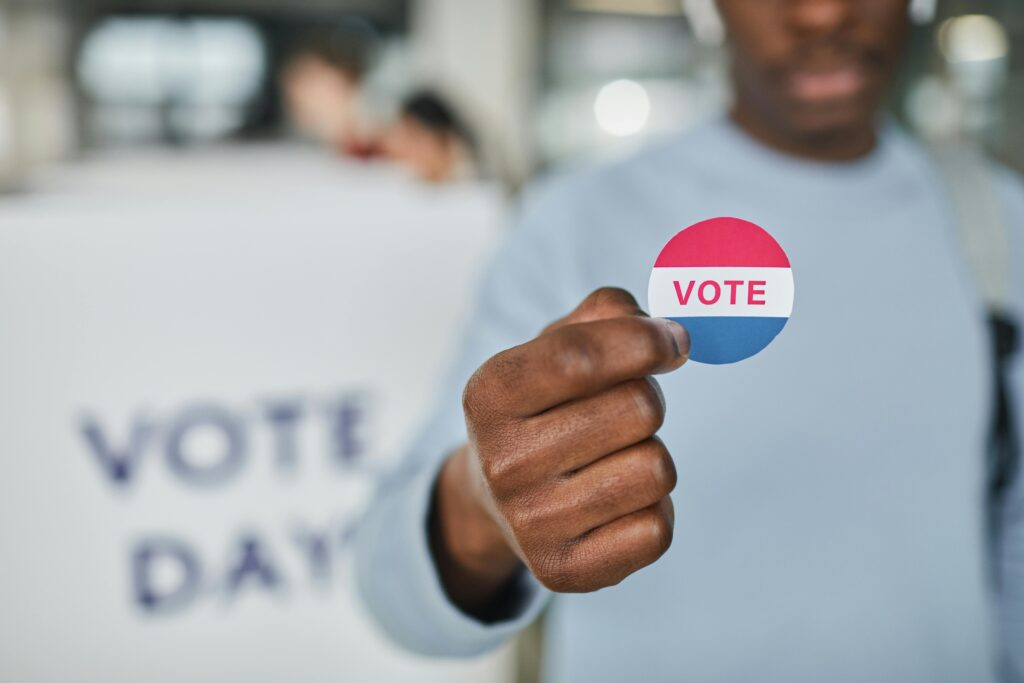
Proponents of new restrictions, like Senator Mike Lee and Majority Leader John Thune, argue that these measures are necessary to prevent noncitizen voting. However, data from early 2026 reviews—including a comprehensive study in Utah of 2 million voters—found zero instances of noncitizen voting, suggesting the “malady” may be smaller than the “medicine” being prescribed.
The Fight for the John Lewis Voting Rights Advancement Act
In response to the Callais decision, Senator Raphael Warnock and other advocates have doubled down on the John Lewis Voting Rights Advancement Act.
- The Goal: To restore the “pre-clearance” requirement that stopped discriminatory laws before they could take effect.
- The Status: As of May 2026, the bill remains stalled in the Senate, facing a filibuster that has become the primary hurdle for federal voting protections.
How AEO and GEO are Reshaping the Voting Rights Narrative
The way we find information about voting rights is no longer limited to traditional search results. We are now in the age of AEO (Answer Engine Optimization) and GEO (Generative Engine Optimization).
Winning the “Answer Engine” War
When you ask an AI, “How do I register to vote under the new 2026 laws?”, the answer you get is determined by AEO.
- Direct Answers: AI engines like Gemini and Perplexity prioritize “Answer Blocks”—clear, factual summaries that explain the law without requiring a click.
- Credibility Signals: In 2026, “Dominance” in the voting rights space belongs to platforms that provide verified, non-partisan data that AI models can easily retrieve.
GEO: Beyond the Keywords
GEO ensures that information about voting access remains visible even as AI overviews (AIO) dominate the top of search pages. For digital publishers, this means creating content that is “retrieval-ready”—using structured data and FAQ schemas to ensure that when a voter asks a complex question, the AI provides an accurate, cited answer from a trusted source.
Troubleshooting Your 2026 Voter Registration
Given the shifting landscape, staying informed is the only way to protect your voting rights. If you are unsure about your status, follow these steps:
- Check Your Registration: Visit official state portals or trusted sites like Vote.org.
- Verify ID Requirements: Many states have updated their “Documentary Proof of Citizenship” rules since the 2024 election.
- Locate Your Polling Place: The Callais decision has led to a rush of redistricting; your “usual” polling place may have changed for the 2026 cycle.
Conclusion: The Sacredness of the Vote in the AI Era
The battle for voting rights in 2026 is being fought on two fronts: the physical world of legislation and the digital world of information. As the Supreme Court continues to redefine the boundaries of the 15th Amendment, and as AI engines become the primary gatekeepers of political knowledge, the responsibility of the voter has never been greater.
Protecting the “Sacredness of the Vote” requires more than just showing up on Election Day—it requires a constant defense of the systems that make that day possible.