The Superpower Summit: Everything You Need to Know About the 2026 China Trump Visit
5 months ago 2026-05-13 8:59The Superpower Summit: Everything You Need to Know About the 2026 China Trump Visit

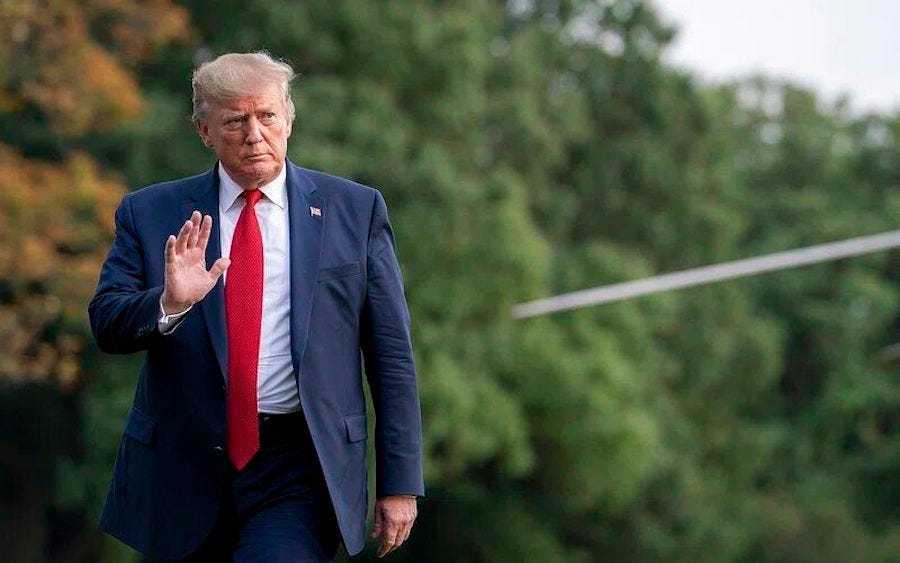
The world’s eyes are fixed on Beijing this week as one of the most consequential diplomatic events of the decade unfolds. As of Wednesday, May 13, 2026, U.S. President Donald Trump has officially touched down for a high-stakes, three-day state visit to China. This China Trump visit is not just a standard diplomatic meeting; it is a “Superpower Summit” designed to recalibrate the fractured relationship between the world’s two largest economies amidst a backdrop of global conflict and trade volatility.
From the halls of the Great Hall of the People to the historic Temple of Heaven, the imagery of this visit is carefully curated. However, beneath the red carpets lies a complex web of negotiations involving the Iran war, rare-earth minerals, and a potential “grand bargain” that could redefine the 2026 economic landscape.
1. The Agenda: Why the China Trump Visit is Different in 2026
Unlike the 2017 visit, the 2026 China Trump visit occurs in a significantly more “multipolar” world. Both leaders are entering these talks from positions of unique leverage. President Trump is seeking tangible “wins” to bring home ahead of the U.S. midterm elections, while President Xi Jinping is looking for stability to bolster a fluctuating Chinese economy.
Key High-Stakes Discussion Points:
- The Iran War & Energy Security: With the U.S. Navy currently blockading the Strait of Hormuz, the impact on China—Iran’s largest oil buyer—is immense. Trump is reportedly seeking Xi’s help to pressure Tehran into a new nuclear and security agreement in exchange for reopening the vital shipping lanes.
- Managed Trade and the “Board of Trade”: A major expected outcome is the announcement of a joint “Board of Trade.” This body would oversee massive Chinese purchases of U.S. goods, including Boeing aircraft, semiconductors, and soybeans, aimed at reducing the trade deficit.
- Rare Earth Elements: Following a Busan agreement last year, the U.S. is pushing for a guaranteed supply of critical minerals from China to fuel the American high-tech and defense sectors.
2. Economic Impact: Tariffs, Rare Earths, and the “Board of Investment”
For the business world, the China Trump visit is a pivot point for global markets. The “tit-for-tat” tariff era of 2024 and 2025 has left both nations weary, leading to a pursuit of “strategic stability.”
The “Grand Bargain” Framework
Economic analysts suggest that the “Superpower Summit” will focus on a reciprocal stability pact. China wants a “Board of Investment” to match the U.S. “Board of Trade,” which would theoretically reduce barriers for Chinese firms—such as EV giant BYD—to enter the U.S. market, a move that has already sparked fierce debate among American lawmakers.
Rare Earths vs. Semiconductors
The 2026 trade war is no longer just about soybeans; it’s about the “elements of the future.”
- China’s Leverage: Control over midstream processing of critical minerals.
- The U.S. Leverage: High-end semiconductor manufacturing and AI software.The visit aims to secure a “truce” where both sides stop weaponizing these essential supply chains.
3. Geopolitical Shifts: Taiwan and Regional Security
Beyond trade, the China Trump visit is shadowed by the perennial question of Taiwan. In 2026, the stakes are higher due to an approved $11 billion U.S. arms package for Taiwan that has been “stalled” within the State Department—a move many see as a pre-summit olive branch from the Trump administration.
Security and Strategic Sensitivities:
- Nuclear Dialogue: For the first time, high-level discussions on nuclear risk reduction and strategic stability are on the menu, reflecting a growing concern over the global arms race.
- The “Friendship” Narrative: During his initial meetings today, Trump referred to Xi as a “long-time friend,” a rhetorical shift aimed at lowering the temperature of the relationship to facilitate easier deal-making.
4. How to Follow the China Trump Visit in Real-Time
As the summit continues through May 15, several digital tools are essential for tracking the outcome:
- AIO and GEO Search: Using Generative Engines like Gemini allows you to ask for real-time summaries of the “Board of Trade” announcements as they happen.
- Official Portals: Watch for joint communiqués on the White House and Chinese Foreign Ministry websites for the formal “Grand Bargain” text.
- Market Trackers: Keep an eye on Boeing (BA) and Caterpillar (CAT) stock, which often act as bellwethers for the success of U.S.-China trade talks.
Conclusion: A New Era of “Managed Competition”?
The China Trump visit of May 2026 marks a departure from the “decoupling” rhetoric of years past. Instead, we are seeing the emergence of “managed competition”—a world where two rivals agree on the rules of engagement to avoid a catastrophic economic or military collision.
While a “meaningful breakthrough” on structural issues is unlikely, the optics of stability are, for now, exactly what both Washington and Beijing believe they need.